
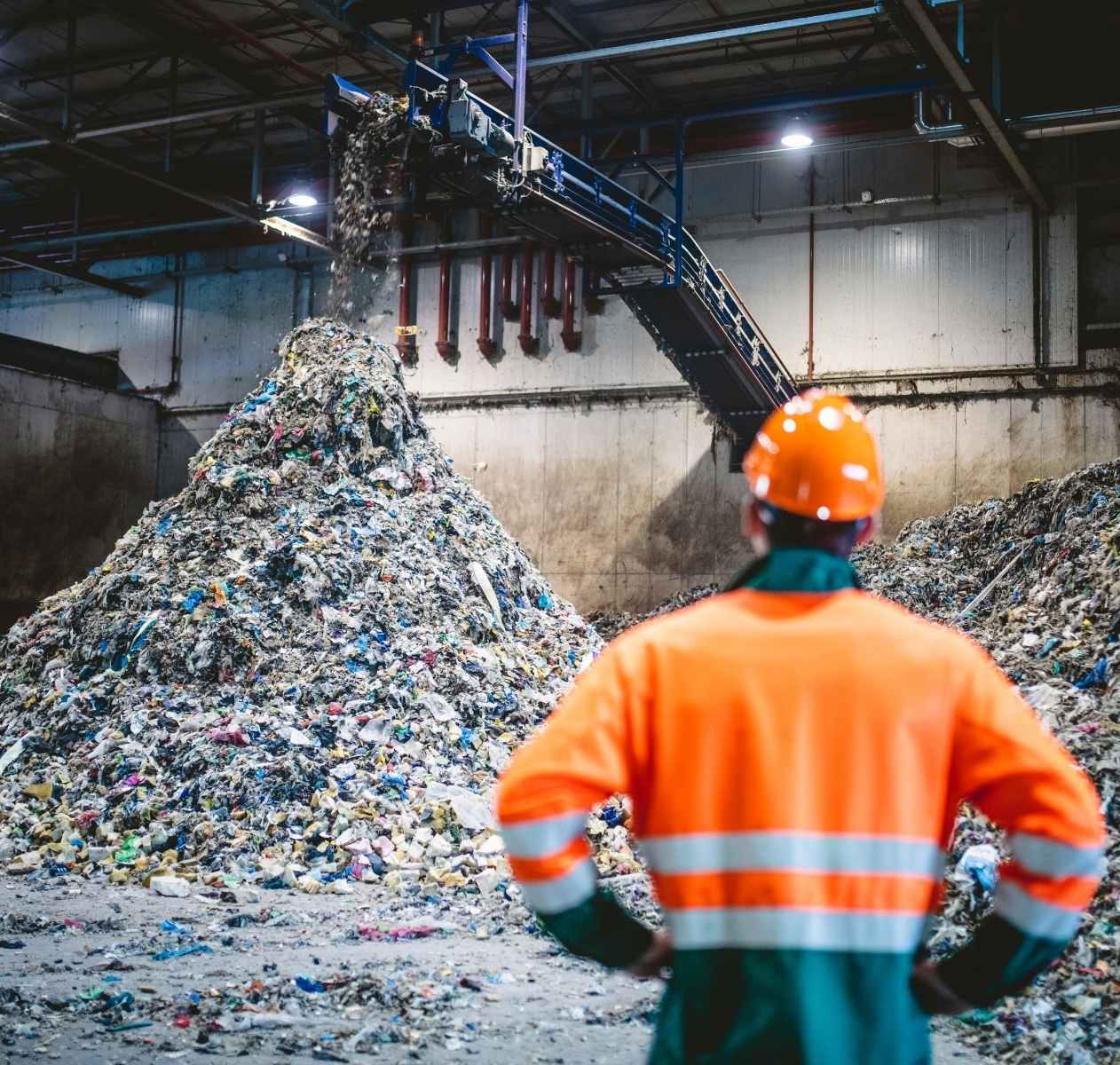
Introduction: Waste as an Untapped Resource
We live in an age defined by mass production and overconsumption. Global supply chains deliver millions of products daily, from clothing to electronics, often designed with short lifespans. As a result, landfills overflow, oceans choke with plastic, and ecosystems collapse under the weight of human activity. Yet in the face of this crisis, a creative movement is rising that dares to see waste differently: upcycling.
Upcycling is not simply recycling. It is a philosophy that elevates the discarded into something valuable, beautiful, and functional. By combining sustainable design principles with human creativity, upcycling transforms waste into opportunity, proving that what we throw away still has potential to enrich our lives. This article explores the roots, practices, and possibilities of upcycling, showing how it can help build a waste-free future.
Recycling vs. Upcycling: What’s the Difference?
While the terms are often used interchangeably, recycling and upcycling differ in key ways.
-
Recycling usually breaks materials down—melting plastic, shredding paper, or smelting metals—to be remade into new products. While important, this process often degrades material quality and requires significant energy.
-
Upcycling, on the other hand, reuses materials in their current form, enhancing them into something of equal or greater value. For example, turning an old ladder into a bookshelf, or a glass bottle into a lamp.
Recycling closes the loop, but upcycling expands the possibilities. It marries sustainability with artistry, ensuring materials live on in new and surprising ways.
A Brief History of Upcycling
Though the term “upcycling” gained popularity in the 1990s, the practice is ancient. For most of human history, people repaired, repurposed, and reinvented objects out of necessity. In rural communities, flour sacks were sewn into dresses, broken tools were reforged, and furniture was passed down for generations.
Industrialization and consumer culture shifted this mindset. As goods became cheaper and more disposable, repair and repurposing lost cultural value. The rise of fast fashion, single-use plastics, and planned obsolescence deepened the throwaway culture.
Today, as environmental crises intensify, upcycling has returned—not out of scarcity, but out of choice. It represents a conscious rejection of wastefulness and a creative reimagining of consumption.
The Principles of Sustainable Design
Upcycling is not only about reusing waste; it is about rethinking design itself. Sustainable design integrates environmental and social responsibility into the entire creative process. Its principles include:
-
Design for Longevity – Creating products that last longer and age gracefully.
-
Material Mindfulness – Choosing renewable, recyclable, or reclaimed materials.
-
Circularity – Ensuring products can be reused, repaired, or repurposed at the end of their life.
-
Function and Beauty Together – Designing objects that people cherish, preventing premature disposal.
Upcycling embodies these principles. By starting with discarded materials, designers challenge themselves to create value where none was seen before.
Upcycling in Fashion: Reinventing Style
The fashion industry is notorious for waste. Every year, millions of tons of clothing end up in landfills, much of it barely worn. Upcycling offers a way to reclaim these textiles while challenging the culture of fast fashion.
Examples include:
-
Patchwork Denim: Designers use scraps of jeans to create unique, one-of-a-kind jackets.
-
Reworked Vintage: Thrifted garments are altered into contemporary styles.
-
Luxury Upcycling: High-end brands like Stella McCartney incorporate upcycled fabrics into runway collections.
For consumers, upcycled fashion offers individuality and sustainability in one. Each piece tells a story, turning clothing into wearable art.
Furniture and Home Design: Giving Materials New Life
Upcycling has also transformed interior design. Instead of discarding old furniture, designers and DIY enthusiasts reimagine it.
-
Pallets become rustic coffee tables.
-
Old doors transform into dining tables.
-
Tires are turned into ottomans or garden planters.
These creations are not only eco-friendly but also deeply personal. Homes filled with upcycled furniture feel authentic and unique, each piece carrying history and character.
Art and Creativity: Waste as Inspiration
For artists, waste is more than material—it is metaphor. Upcycled art installations often critique consumer culture while celebrating human ingenuity.
Consider sculptures made from e-waste, mosaics from broken ceramics, or large-scale installations of plastic bottles. These works remind audiences of the environmental costs of consumption while demonstrating the beauty hidden in the discarded.
Upcycling in art transforms not just materials but perspectives. It challenges us to see abundance where we assumed scarcity.
Upcycling as Entrepreneurship
Beyond personal projects, upcycling has become a thriving business model. Startups and social enterprises are tapping into the demand for sustainable, unique products.
Examples include:
-
Brands making bags from seatbelts and fire hoses.
-
Companies producing furniture from reclaimed wood.
-
Jewelers crafting accessories from e-waste.
These businesses thrive because consumers increasingly value authenticity, ethics, and creativity. Upcycled products stand out in markets flooded with mass-produced goods.
Community and Education: Upcycling as a Movement
Upcycling also fosters community. Workshops teach children and adults how to repurpose materials. Local swap events encourage neighbors to share and upcycle items together. Schools integrate upcycling projects into curriculums, connecting creativity with environmental education.
These initiatives build not only skills but also values—resilience, resourcefulness, and care for the planet. They demonstrate that sustainability is not abstract policy but a daily practice accessible to all.
Environmental Impact of Upcycling
The ecological benefits of upcycling are profound:
-
Waste Reduction: Every upcycled product diverts material from landfills and oceans.
-
Energy Savings: Unlike recycling, upcycling often requires little additional energy.
-
Resource Conservation: Upcycling reduces the need for virgin materials, preserving forests, minerals, and water.
-
Carbon Footprint: Extending product lifespans lowers emissions associated with manufacturing and transportation.
While no single practice can solve the waste crisis, upcycling contributes significantly to a more circular economy.
Challenges of Upcycling
Despite its promise, upcycling faces obstacles:
-
Perception of Value: Some people still view upcycled items as inferior or “second-hand.”
-
Scalability: Small-scale projects are impactful, but scaling up to industrial levels is complex.
-
Durability Concerns: Not all discarded materials are safe or long-lasting.
-
Design Limitations: Working with waste requires flexibility and creativity, which not all designers are willing to embrace.
Overcoming these challenges requires shifting cultural attitudes, investing in sustainable design education, and supporting businesses that prioritize upcycling.
The Philosophy of Upcycling: More Than Materials
At its core, upcycling is not just about objects—it is about mindset. It asks us to slow down, to value what we have, and to see beauty in imperfection. It challenges consumer culture’s obsession with the new, urging us to cherish the old.
Upcycling teaches resilience: the ability to adapt, repair, and reinvent. It fosters gratitude by reminding us that resources are finite. And it inspires creativity by showing that limits can spark imagination.
The Future of Upcycling and Sustainable Design
Looking ahead, upcycling will likely become an even more integral part of design and culture. Trends shaping its future include:
-
Digital Marketplaces: Online platforms connecting upcycled creators with global audiences.
-
Corporate Integration: Big brands adopting upcycling to reduce footprints and meet consumer demand.
-
Smart Materials: Designers experimenting with innovative, recyclable materials that can be endlessly repurposed.
-
Policy Support: Governments incentivizing circular practices and penalizing wasteful ones.
-
Cultural Shifts: Younger generations increasingly embracing sustainability as part of identity.
In this future, upcycling will not be niche but normal—a standard practice across industries and communities.
Conclusion: Creativity as the Key to a Waste-Free Future
Upcycling and sustainable design prove that creativity is not just about aesthetics—it is a survival skill. By reimagining waste, we extend lifecycles, conserve resources, and challenge cultural assumptions about value. In doing so, we craft a vision of the future where waste does not exist—only materials in constant transformation.
The movement begins with individuals: the artist turning scrap metal into sculpture, the designer making fashion from fabric leftovers, the child creating toys from cardboard. Yet collectively, these small acts signal a larger cultural awakening: that we can live well without living wastefully.
In the end, upcycling is more than design—it is philosophy, activism, and artistry combined. It reminds us that a waste-free future is not only possible but beautiful. And it is creativity that will get us there.